Benefits of Ashwagandha
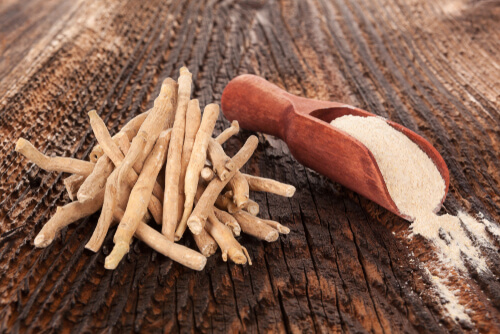
Ashwagandha is an ancient medicinal herb.
It’s classified as an adaptogen, meaning that it can help
your body manage stress.
Ashwagandha also provides numerous other benefits for your
body and brain.
“Horse Smell”
"Ashwagandha" is Sanskrit for "smell of the
horse," which refers to both its unique smell and ability to increase
strength.
Ashwagandha,
also known as Indian ginseng,
has a wide range of health benefits, which include its ability to reduce the
blood sugar levels, and cortisol levels, fight cancer,
reduce stress and anxiety,
and increase fertility in men.
It has been used for over 3,000 years to relieve stress,increase energy levels, and improve concentration.
It also helps prevent
arthritis, asthma, hypertension, and rheumatism. Furthermore, Ashwagandha
boosts the supply of antioxidants and regulates the immune
system. What’s more? It also has antibacterial and anticonvulsant
properties.
Traditional Uses
In the Indian traditional medicine system of
Ayurveda, ashwagandha is seen as a broad-spectrum remedy. It’s
classified as a Rasayana or rejuvenator. These are some of the
traditional uses [2, 4, 5]:
- The roots are used as a tonic, aphrodisiac, diuretic, antiparasitic, astringent, and stimulant
- The leaves are recommended for fever and painful swelling
- The seeds are antiparasitic while the flowers are used as an astringent, diuretic, and aphrodisiac and have detoxifying effects
- The berries and tender leaves are applied externally to tumors, ulcers, and wounds
- Other useful parts are the stem, fruit, and bark
Ashwagandha
(Withania somnifera)
is a medicinal herb that has been used in Ayurvedic and Chinese medicine for
thousands of years. It is an adaptogen, which means that it has the ability to
help the body to manage stress.
It belongs
to the Solanaceae
family and is also known as Indian ginseng or winter cherry.
The
use of Ashwagandha for so many centuries has aroused the curiosity of modern
medical science, leading to an interest in investigating the medicinal
properties of the plant. Preliminary studies indicated the presence of
potential therapeutic abilities and it also showed no associated toxicity to
the chemical constituents of the plant.
A
2011 scientific report on the plant, published in the Journal of Stress Physiology &
Biochemistry, indicates that it has anti-inflammatory,
anti-oxidizing, anti-stress, sleep-inducing, and drug withdrawal properties. Many
formulations that are made from this herb improve musculoskeletal problems
such as arthritis and rheumatism. It also acts as a tonic that boosts energy and improves overall health and longevity.
Animal studies have found that it significantly decreases levels
of these blood fats.
One study in rats found that it lowered total cholesterol and
triglyceride levels by 53% and nearly 45%, respectively (28Trusted Source).
While controlled human studies have reported less dramatic results, they have
observed some impressive improvements in these markers (3, 4Trusted Source, 5Trusted Source,
6Trusted Source).
In a 60-day study in chronically stressed adults, the group
taking the highest dosage of standardized ashwagandha extract experienced a 17%
decrease in LDL (bad) cholesterol and an 11% decrease in triglycerides, on
average (3).
Controls
Cholesterol Levels and triglycerides
Relieves Stress
Ashwagandha extract is believed to reduce the
cortisol levels in the body and thereby possesses anti-stress properties.
Traditionally, it had been administered to induce a soothing and calming effect
on a person. A study published in the Indian Journal of Clinical
Biochemistry found that
laboratory rats treated with the herbal extract of Ashwagandha could
withstand multiple stress tests that they were subjected to, as compared to a
passive control group.
Can reduce cortisol levels
Cortisol is known as a
stress hormone given that your adrenal glands release it in response to stress,
as well as when your blood sugar levels get too low.
Unfortunately, in some
cases, cortisol levels may become chronically elevated, which can lead to high
blood sugar levels and increased fat storage in the abdomen.
Studies have shown that ashwagandha may help reduce cortisol levels(3, 14Trusted Source, 15Trusted Source).
In one study in
chronically stressed adults, those who supplemented with ashwagandha had
significantly greater reductions in cortisol, compared with the control group.
Those taking the highest dose experienced a 30% reduction, on average (3).
Reproductive Health
Women
Ashwagandha may reduce the complications of
menopause. In a trial of 51 menopausal women, ashwagandha reduced symptoms such
as hot flashes, mood fluctuations, sleep issues, irritability, and anxiety [68].
In 50 healthy women, Ashwagandha improved
self-reported measures of sexual function such as arousal, lubrication, orgasm,
and satisfaction [69].
Ashwagandha with Tribulus terrestris restored hormone balance in rats with polycystic
ovary syndrome (PCOS) [70
Ashwagandha root is also used to restore
health in women after giving birth and to thicken and increase the
nutrition of breast milk. Despite its centuries-long use in India, Ashwagandha
has only recently gained scientific recognition in the West [6, 2].
Can boost
testosterone and increase fertility in men
In addition to increasing
the testosterone levels, Ashwagandha also helps in improving the semen
quality. A 2010 scientific study published
by the American Center for Reproductive Medicine indicated
that Ashwagandha
plays an important role as an aphrodisiac as well as a way to
improve semen quality by increasing sperm count and sperm
mobility. This has been the reason why, for many centuries, people
have been using it as a medication to please their partner in bed.
In a clinical trial of 150 men, Ashwagandha
reduced oxidative stress, increased testasterone,
and lowered FSH.
These hormonal changes encourage the production of new sperm cells. It also
improved sperm count and mobility [71].
In 46 men with low sperm count, Ashwagandha
increased [72]:
- sperm count, by 167%
- semen volume, by 53%
- sperm motility, by 57%
It recovered semen quality in 180 infertile
men [73].
Aids in Muscle Growth
Ashwagandha has been found to be useful in improving the
muscular strength of the lower limbs and helping recover weakness. It also has
a positive impact on neuro-muscular coordination.
Helps with Erectile Dysfunction
Suffering from erectile dysfunction? Intake of Ashwagandha for
libido and sexual health is a traditional Ayurveda remedy however, there
are not many scientific studies supporting the claim.
Note: It should be used for
ED only under the recommendation of a professional medical practitioner.
Stimulates the Thyroid Gland
In cases of Hypothyroid,
Ashwagandha can be used to stimulate the thyroid gland. A 2011 study published in the Journal of Pharmacy and
Pharmacology on its effects on the thyroid gland revealed that the root
extract if given on a daily basis, would increase the secretion of thyroid
hormones.
Boosts Immunity
Research studies have shown that the consumption of
Ashwagandha led to significant modulation of immune system reactivity and
prevented myelosuppression in mice induced by immunosuppressive drugs.
Ashwagandha capsules can help increase the red blood cell, white blood cell, and
platelet count, which in turn help boost immunity.
Increases Blood Production
Hematopoiesis is the process of producing new blood. According
to research published in Alternative
Medicine Review, Ashwagandha possesses hematopoietic properties. The study
showed that red blood cell and white blood cell counts increased significantly
in rats which were administered with the herb. This could mean a positive
effect on human red blood cells as well, thereby helping to prevent conditions
like anemia.
Gut Health
In a single case report, an Ayurvedic
medication containing Ashwagandha helped treat constipation, stomach pain, and
vomiting [87].
Note, however, that one animal study and a
single case study of an herbal blend cannot be considered strong evidence. We
need additional studies before making any definitive claims about Ashwagandha’s
effect on the digestive system.
Liver
Health
It increased the bile content in rats with
high cholesterol and decreased certain liver enzymes that indicate tissue
damage [39, 128].
Respiratory
Health
Polysaccharides extracted from Ashwagandha
suppressed coughing in guinea pigs as effectively as codeine [129, 130].
In baby rats, withaferin A also protected the
lungs against inflammation and oxidative stress caused by toxic bacterial lipopolysaccharides (LPS). Future trials will clarify whether Ashwagandha or its compounds may be
helpful against respiratory infections [131].
Autoimmunity
Lupus is an autoimmune disease that involves
high levels of inflammation. In a mouse study, Ashwagandha reduced inflammatory
markers that tend to be high in lupus and other autoimmune diseases, including IL-6 and TNF-alpha
[132, 133].
Morphine
Dependence
Ashwagandha may help prevent people from
developing a dependence on morphine, and it may help people who are already
dependent wean themselves off of morphine without severe withdrawal symptoms [136].
In a rat study, Ashwagandha extract reduced
withdrawal symptoms and prevented morphine dependence. In neurons exposed
directly to morphine, Ashwagandha extract prevented the downregulation of
opioid receptor activity. Thus, Ashwagandha may be useful to prevent dependence
when opioid painkillers are necessary [137, 138, 136].
Mild
Hypothyroidism
Mild hypothyrodisim,
or low thyroid hormones ,
occurs in 3-8% of people and is especially common in women over 55. Treatment
with levothyroxine, a synthetic form of the thyroid hormone T4,
often comes with more risks than benefits; thus, many people with mild
hypothyroidism go untreated [139].
In a trial of 50 people with mild
hypothyroidism, Ashwagandha extract normalized TSH and thyroid hormones (T3
and T4) [140].
It also increased thyroid hormones in
hypothyroid rodents and reduced oxidative stress and inflammation [141, 141, 142].
Prevents Seizures
Ashwagandha natural herbal formula and extracts have been a
widely used remedy for seizures and convulsions in Ayurvedic medicine. Another study, published in
the Indian Journal of Clinical Biochemistry, also showed the
presence of anticonvulsant properties in this wonderful plant.
Reduces Ocular Diseases
The antioxidant and cytoprotective properties of Ashwagandha are ideal for fighting cataract diseases.
Fights Cancer
In a research study published in the Alternative Medicine
Review, naturopathic doctor Marie Winters has described ashwagandha as an
emerging and novel alternative in the field of oncology, in association with
radiation therapy and chemotherapy, because of its cancer-killing properties.
It is also of interest because it is known to reduce the side effects of
chemotherapy without interfering with the tumor cell-killing activity.
Cancer Research
Ashwagandha improved fatigue and quality of
life in a trial of 100 cancer patients receiving chemotherapy [143].
Several animal and cell studies have shown
that the constituents of Ashwagandha, in particular withaferin A,
inhibit or destroy cancer cells [144, 2, 145, 10].
What’s more, Ashwagandha can make the
chemotherapy drug paclitaxel more effective against lung cancer, according to
mouse studies [146, 147, 148].
In cell and animal studies, Ashwagandha has
slowed or reversed the growth of several cancers, including:
- Brain [149, 150]
- Breast [151, 152, 153]
- Cervical [154, 154]
- Colon [155, 150]
- Kidney [156]
- Lung [2, 157]
- Lymphoma [158]
- Ovarian [2]
- Pancreatic [159]
- Prostate [150, 160]
Anti-inflammatory Properties
Ashwagandha has been found to be effective in dealing with a
variety of rheumatologic problems. The herb is known to act as a cyclooxygenase
inhibitor that decreases inflammation and pain. Research
conducted at the Los Angeles College of Chiropractors suggests that the
herb has anti-inflammatory properties that come from the alkaloids, saponins,
and steroidal lactones found within it.
Antibacterial Properties
According to Ayurvedic medical texts, Ashwagandha is effective
in controlling bacterial infections in humans. A 2011 study, published
in the Alternative Medicine Review, showed that this herb possesses
antibacterial properties. It also concluded that it was effective in
urinogenital, gastrointestinal, and respiratory tract infections when consumed
orally.
Side Effects of Using Ashwagandha
Pregnant Women: Pregnant women are advised to avoid the consumption of this herb
as it possesses abortifacient properties.
Medical Interactions: Doctors advise caution because it can interact with regular
medications, especially for those who are suffering from diseases like
diabetes, hypertension, anxiety, depression, and insomnia.
Gastrointestinal problems:
Avoid consumption in large
amounts as this may have side effects such as
diarrhea ,
upset stomach, and nausea.
How to Use Ashwagandha
Dosage
The root is available in the market in powdered, dried, or fresh root form. 1-2 tsp or 5-6 grams of the powder is recommended when you consume it for general well being. You can also take Ashwagandha for anxiety relief. You could also consume organic Ashwagandha root powder, along with a glass of hot milk and mix with honey before going to sleep. However, when you take the herb for treating any specific disease you should consult a medical professional such as an Ayurvedic doctor for the dosage.
How to Use Ashwagandha
Dosage
There is no safe and effective dose of
ashwagandha because no sufficiently powered study has been conducted to find one.
Root extract: most clinical studies have used 120-1000 mg daily, with the
most common dose being 300 mg twice daily.
Whole root: clinical doses range between 2-10 g of powdered root daily,
with an average of 5 g per day.
Ashwagandha tea: You can make the tea by boiling the powder in water for 10 minutes. Don’t use more than a teaspoon
in one cup of water.
Supplement Forms
Ashwagandha
is available in many forms, such as powder, capsules, pills,
or essential oil. It can also be made into a tea or ointment using honey or ghee. Commercial Ashwagandha is often combined with black pepper extract,another strong antioxidant.
In
Ayurveda, the fresh roots are sometimes boiled in milk prior to drying to leach
out undesirable components [167].
Taste & Smell
Ashwagandha is a famously pungent herb. Its
name means “smell of horse”, and some users say it can be overwhelming.
If you are concerned about the smell and taste of Ashwagandha but still want to
try it, look for capsules of dry extracts [3, 2].
Is
safe for most people and widely available
Ashwagandha is a safe supplement for most people, although its
long-term effects are unknown.
However, certain individuals should not take it, including
pregnant and breastfeeding women.
People with autoimmune diseases should also avoid ashwagandha
unless authorized by a healthcare provider. This includes people with
conditions like rheumatoid arthritis, lupus, Hashimoto's thyroiditis, and type
1 diabetes.
·
Additionally, those on medication for thyroid disease should be
careful when taking ashwagandha, as it may increase thyroid hormone levels in
some people.
·
It may also decrease blood sugar and blood pressure levels, so
medication dosages may need to be adjusted if you take it.
·
The recommended dosage of ashwagandha depends on the type of
supplement. Extracts are more effective than crude ashwagandha root or leaf
powder. Remember to follow instructions on labels.
·
Standardized root extract is commonly taken in 450–500-mg
capsules once or twice daily.
·
It’s offered by several supplement manufacturers and available
from various retailers, including health food stores and vitamin shops.
·
There's also a great selection of high-quality supplements
available online.
·
Summary
Although ashwagandha is safe for most people, certain individuals shouldn't use
it unless authorized to do so by their healthcare provider. Standardized root
extract is commonly taken in 450–500-mg capsules once or twice per day.
The bottom line
·
Ashwagandha is an ancient medicinal herb with multiple health
benefits.
·
It can reduce anxiety and stress, help fight depression, boost
fertility and testosterone in men, and even boost brain function.
·
Supplementing with ashwagandha may be an easy and effective way
to improve your health and quality of life.
